
Clay County Pest Management Services
Six services cover termites, rodents, ants, cockroaches, bed bugs and mosquitoes. Each one starts with an inspection and is planned around the pest found on the property.
Targeted Treatment and Exclusion
Choose a service to review the method, the pests it targets and the steps a technician takes on site.

How PestShieldPro Compares With Other Methods
A side-by-side look at how our method compares with the common over-the-counter and repellent approach.
How a Service Visit Works
Every visit follows the same four stages, so you know what happens before, during and after the treatment.
Inspection and moisture mapping of the property
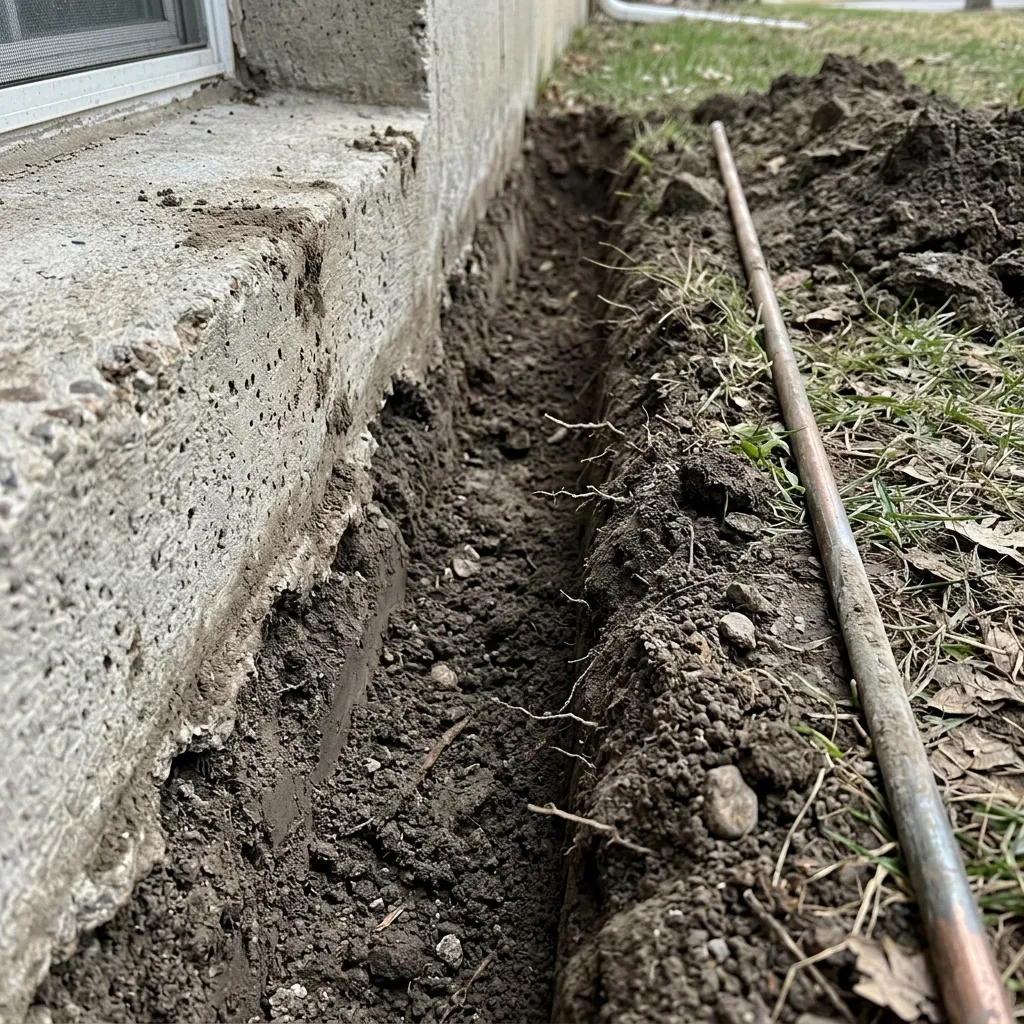
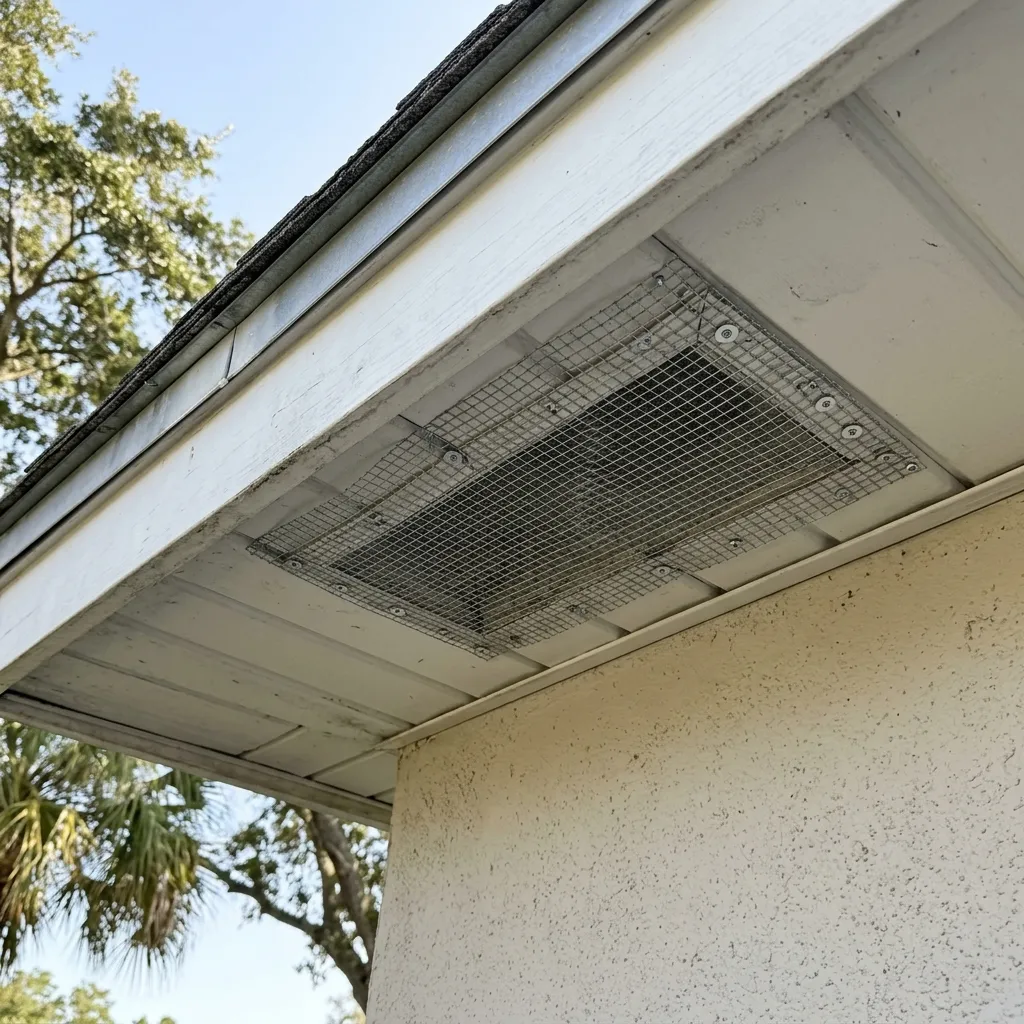
A technician checks foundation edges, crawlspaces, attic soffits and exterior plumbing chases to identify the pest, estimate colony size and find where it enters the structure. Findings are recorded so the plan matches what was seen.
Treatment plan explained before any work starts
The technician explains which products or exclusion methods will be used, where they go and what to expect, including the pre-treatment steps for pets and children in the home. Questions are answered before you approve the plan.
Treatment, sealing or exclusion work on site
Treatment is placed in the areas the inspection identified, with exclusion work where rodents or wildlife enter. Products are applied following EPA labels and Florida FDACS rules. Work is limited to the areas the plan names.
Monitoring and a written summary of the visit
Monitoring stations or follow-up checks are set where needed, and you receive a written summary of what was treated and what to watch for before the next visit. The summary lists areas treated and follow-up dates.
Local Soil and Housing Conditions
Shallow groundwater near lakes
Lakeside and Fleming Island sit near Doctors Lake, the St. Johns River and Swimming Pen Creek. A high water table keeps soil damp, which supports termite and palmetto bug activity through the year.
Sandy soils and fire ant mounds
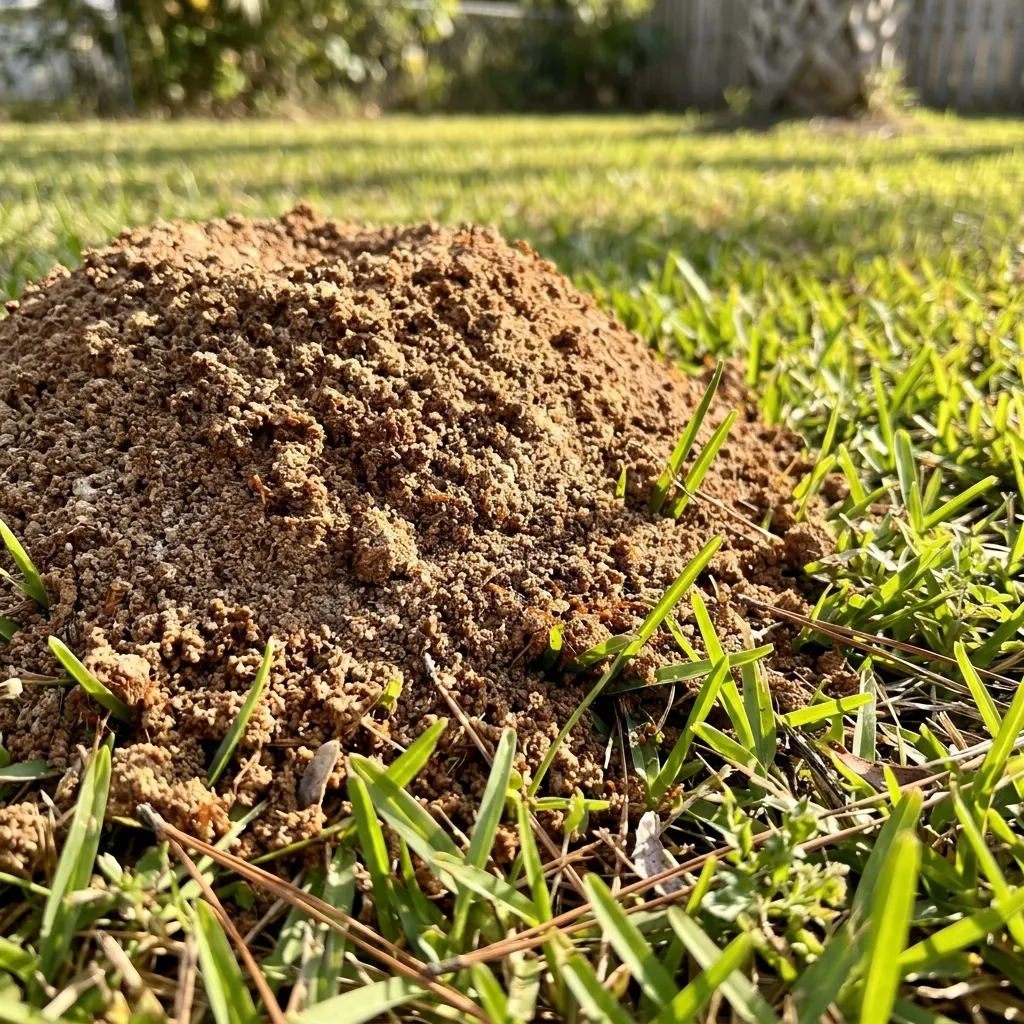
Bellair-Meadowbrook has well-drained sandy topsoil, and Middleburg has sandy acidic soils. Fire ants build mounds in those lawns and move toward foundations after heavy rain, so turf treatment and perimeter work are planned together.
Aging wood-frame and block homes
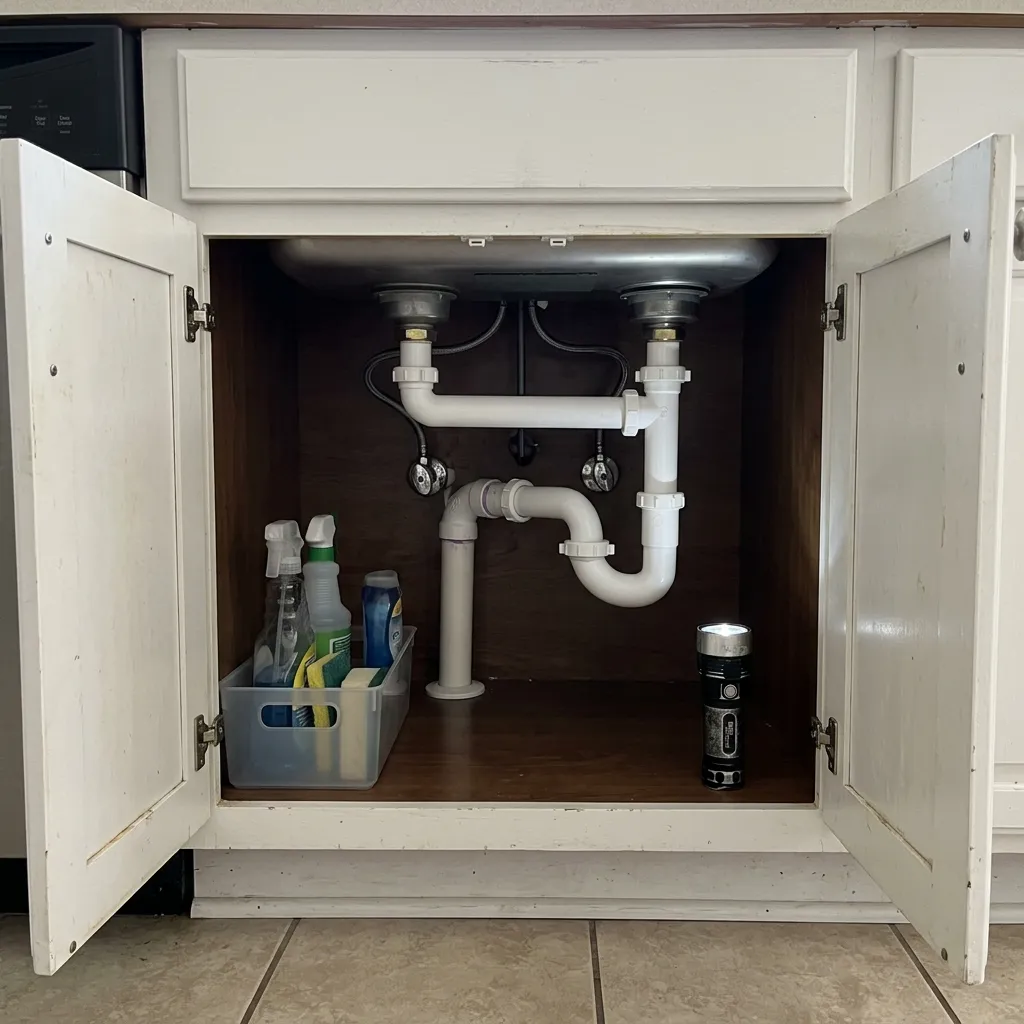
Homes built from the 1960s through the 1980s, including block and wood-frame ranches, often have vintage utility chases and small gaps around plumbing and fascia. Rodents and roaches use those gaps, so inspections check them first.
Service Questions
Answers about how we choose a treatment, our chemical safety and our dispatch.
The matched specialist inspects the foundation perimeter, crawlspace, attic and exterior plumbing to identify the pest and where it is entering before recommending a method.
Specialists are expected to follow EPA label directions and Florida Department of Agriculture and Consumer Services rules for each product they apply.
Phone dispatch runs 24/7 at (904) 372-1049, so urgent calls such as swarming termites or nests near entry points are logged at any hour and passed to a specialist.
Choose termite treatment for mud tubes, swarmers or hollow-sounding wood. The specialist confirms the species and recommends the barrier or bait method that fits your foundation.
Choose rodent control for droppings, gnaw marks or scratching in the attic. Specialists typically combine exclusion with trapping rather than poison bait.
Warranty terms are set by the specialist you are matched with. Ask for the written terms before the work begins, including what is covered and for how long.
A liquid barrier is placed in the soil around the foundation, while a bait system uses in-ground stations to monitor and reduce colony activity. Your specialist explains which fits your property.
Visit length depends on the pest, the size of the property and the method. Your matched specialist gives an estimate of the visit time when they schedule the inspection.
It depends on the method. Some treatments require family members and pets to leave for a short time, and your specialist explains the preparation steps before the visit.