
Termite Treatment
PestShieldPro provides non-repellent liquid termiticide barriers and in-ground bait stations for subterranean and drywood termites in Orange Park, FL.
What is Termite Treatment?
Termite treatment is a targeted structural and subgrade chemical application procedure that establishes continuous non-repellent barrier perimeters and in-ground bait monitoring stations to eliminate subterranean colonies foraging beneath foundation slabs.
Symptoms & Failure Root Causes
Technical Overview & Execution Scope
Termite treatment is a targeted structural and subgrade chemical application procedure that establishes continuous non-repellent barrier perimeters and in-ground bait monitoring stations to eliminate subterranean colonies foraging beneath foundation slabs. In Clay County's humid subtropical climate, increased soil moisture around Doctors Lake and the St. Johns River creates prime subterranean foraging corridors that threaten older postwar homes and slab-on-grade foundations.
- 01
Pencil-thin mud tubes running up concrete foundation walls and along pier supports.
- 02
Discarded swarmer wings on interior window sills after spring storms, a sign that a colony is nearby.
- 03
Hollow-sounding baseboards or soft drywall near damp slab edges and exterior corners.
- 04
Blistered paint or buckled flooring along exterior walls that sit over damp soil.
How the treatment is planned
Photos showing the kind of site and work this service covers.
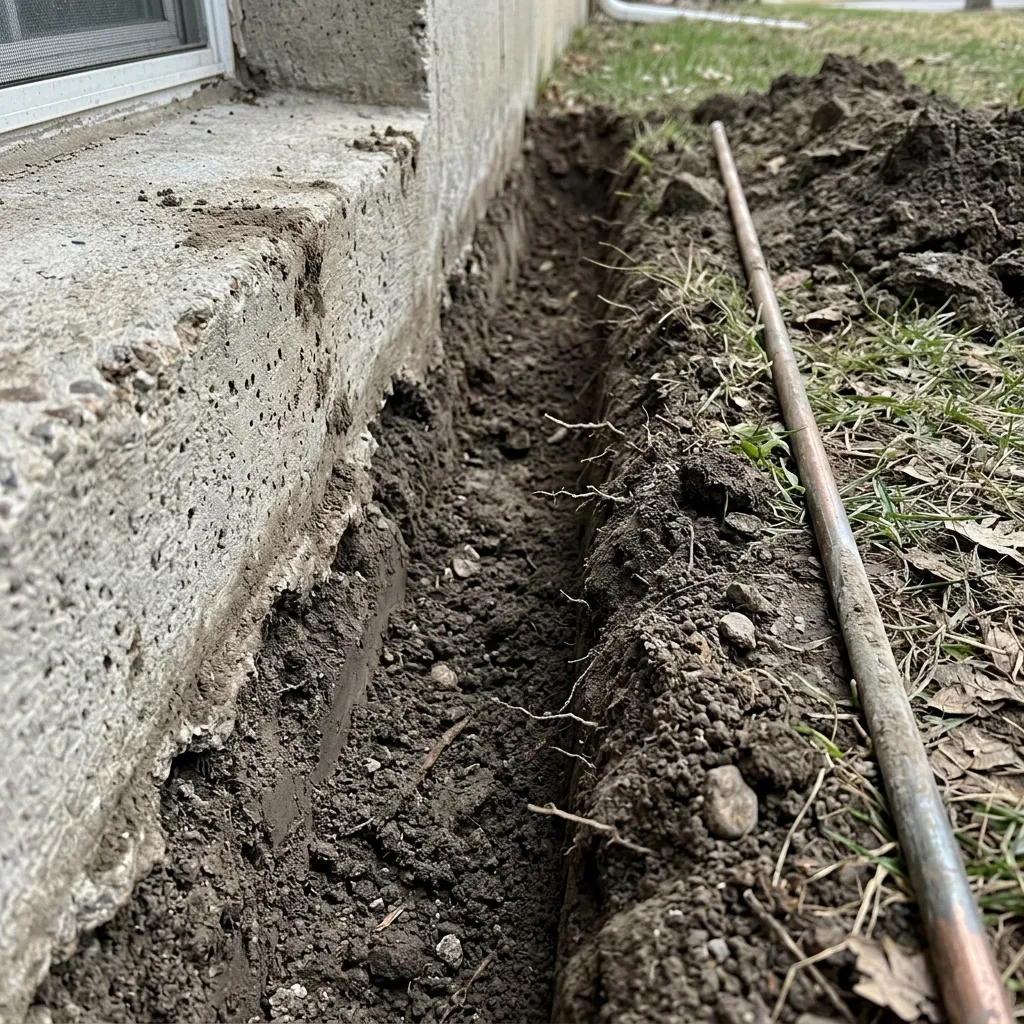
Termite treatment at a foundation edge
This photo shows a termite treatment site of the kind a matched specialist works on, from the first inspection through the finished treatment.
✓ Verified Diagnostic & Execution Standard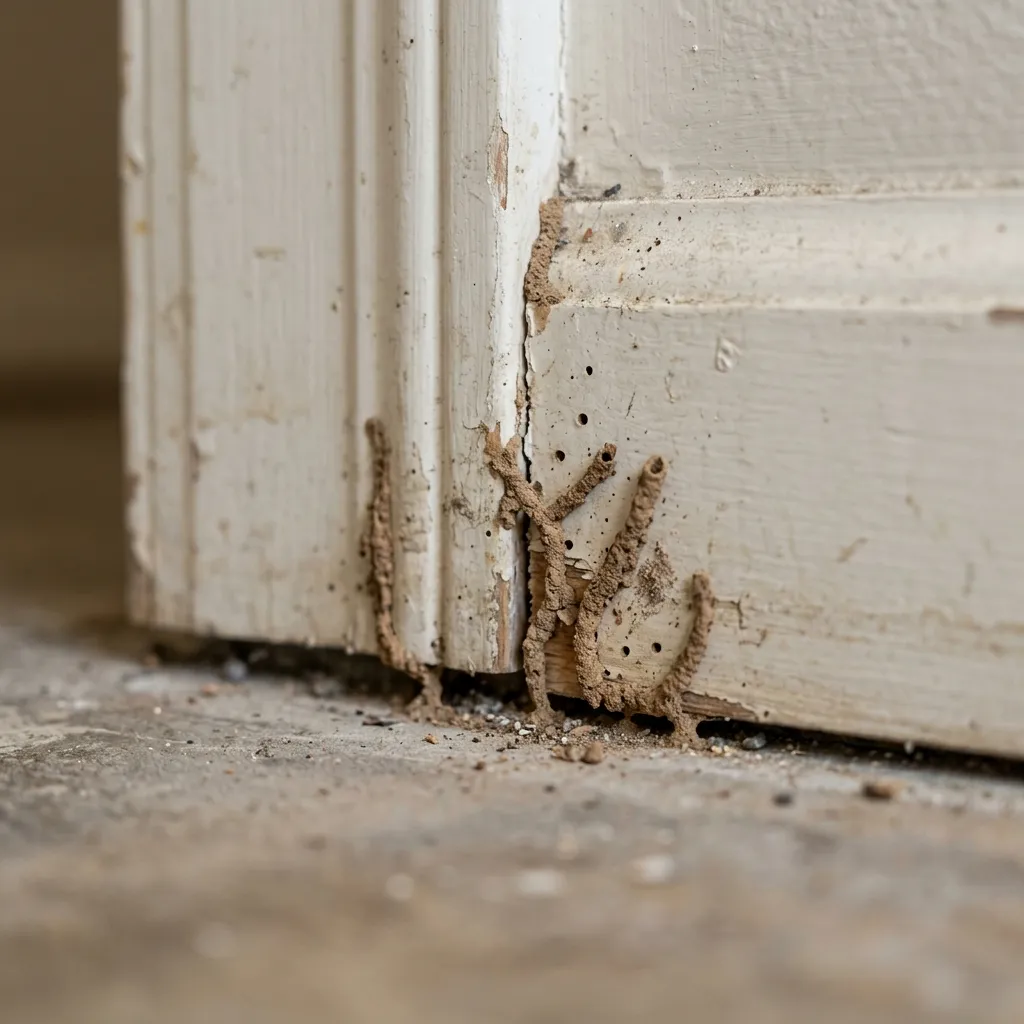
Interior wood inspection for termite signs
This photo shows a termite treatment site of the kind a matched specialist works on, from the first inspection through the finished treatment.
✓ Verified Diagnostic & Execution Standard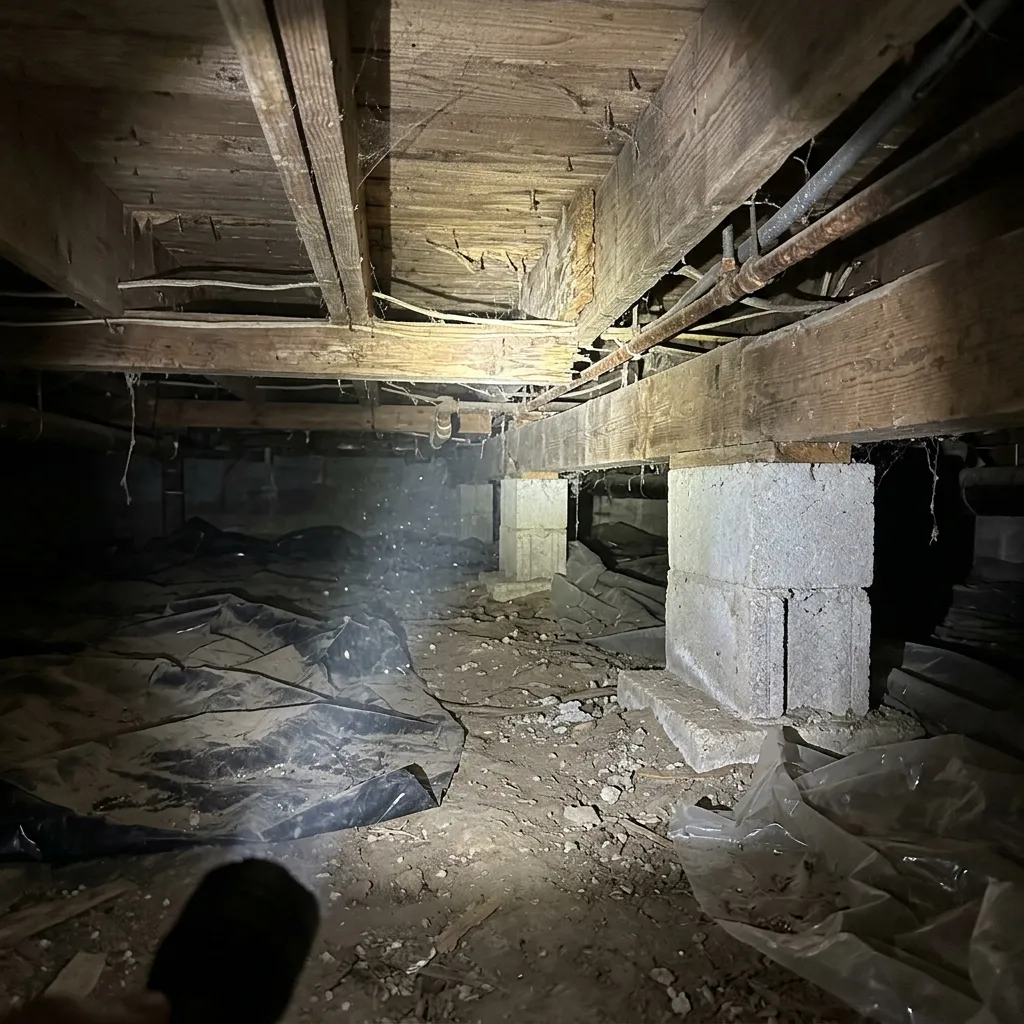
Crawlspace joists checked for termite activity
This photo shows a termite treatment site of the kind a matched specialist works on, from the first inspection through the finished treatment.
✓ Verified Diagnostic & Execution Standard4-Stage Technical Process: Termite Treatment
Each termite job starts with a mapped inspection and ends with a written summary. The four steps run from moisture mapping to trenching, sub-slab injection and in-ground monitoring stations placed around the property.
Foundation Acoustic & Moisture Mapping
Technicians use moisture meters and acoustic sensors along interior baseboards and exterior stem walls to locate hidden mud tubes and termite galleries.
Perimeter Subgrade Trenching & Rodding
A continuous 6-inch by 6-inch trench is dug along the exterior foundation perimeter, then rodded to saturate the footer soil.
Sub-Slab Precision Core Injection
Where patios, garage slabs or expansion joints meet living space, technicians drill 1/2-inch ports and inject termiticide down to native soil.
Baiting Grid & Post-Treatment Summary
In-ground monitoring stations are placed every 10 to 15 feet around property boundaries, accompanied by a written post-treatment summary.
Key Cost Drivers: Termite Treatment
Treatment prices are quoted by the specialist you are matched with after an inspection of your property. Prices depend on the pest, the size of the property and the method.
Linear Footage of Foundation Perimeter
High ImpactLarger single-story sprawling footprints require greater volumes of non-repellent termiticide and extended trenching labor.
Attached Concrete Slabs & Masonry Patios
Medium ImpactAttached garages, concrete entry walks, and paved back patios require precision rotary hammer drilling to access sub-slab soil.
Subterranean vs. Drywood Infestation Scope
Medium ImpactSubterranean colonies demand soil barriers, while localized drywood infestations require pressurized attic borate or micro-injection foam.
How specialists compare to common methods
Where this service is available
We match homeowners in Orange Park, Lakeside, Fleming Island, Green Cove Springs and Middleburg with a specialist for this service.
Explore Related Services
Termite Treatment Technical FAQ
Answers about this service, the specialist match and what to expect.
Early warning signs include pencil-thin mud foraging tubes running up concrete foundation walls, discarded swarmer wings on interior window sills after spring storms, and hollow-sounding baseboards near damp slab edges.
Standard homeowners insurance policies rarely cover termite damage, classifying infestations as preventable maintenance. Professional preventative barrier treatments provide guaranteed structural warranty protection.
Yes, non-repellent liquid termiticides bind tightly to soil organic matter beneath ground level. Once the trench is backfilled and dry, there is zero surface chemical exposure for children or pets.
Professional non-repellent termiticides provide 5 to 10 years of unbroken subterranean protection when native perimeter soil remains undisturbed by landscaping changes.
Technicians deliver a written post-treatment summary, and in-ground monitoring stations are placed every 10 to 15 feet around the property boundary so activity can be checked over time.
Moisture around Doctors Lake and the St. Johns River creates foraging corridors near foundations. High water tables can create moisture gradients near exterior slabs, so technicians audit the perimeter before finishing exterior applications.
Get In Touch With Our Team
Call (904) 372-1049 or send a request, and we will match you with a local pest specialist.
214 Park Ave, Orange Park, FL 32073, USA
Mon–Fri 8AM–6PM | Sat 9AM–2PM | 24/7 Phone Dispatch
Orange Park and Clay County, FL